LVT vs. Laminate: Which is Best for Your Warrington Family Home?
Choosing the right flooring is one of the most significant decisions you’ll make for your home. It’s the foundation of your interior design, and it needs to withstand the rigours of daily life. For many Warrington homeowners, the choice often boils down to two modern heavyweights: Luxury Vinyl Tile (LVT) and Laminate. Both offer the beautiful appearance of natural materials like wood or stone without the hefty price tag or demanding upkeep. But when you’re facing the LVT vs. Laminate debate, which one truly comes out on top for a busy family home here in Cheshire? This guide will break down everything you need to know to make an informed decision.
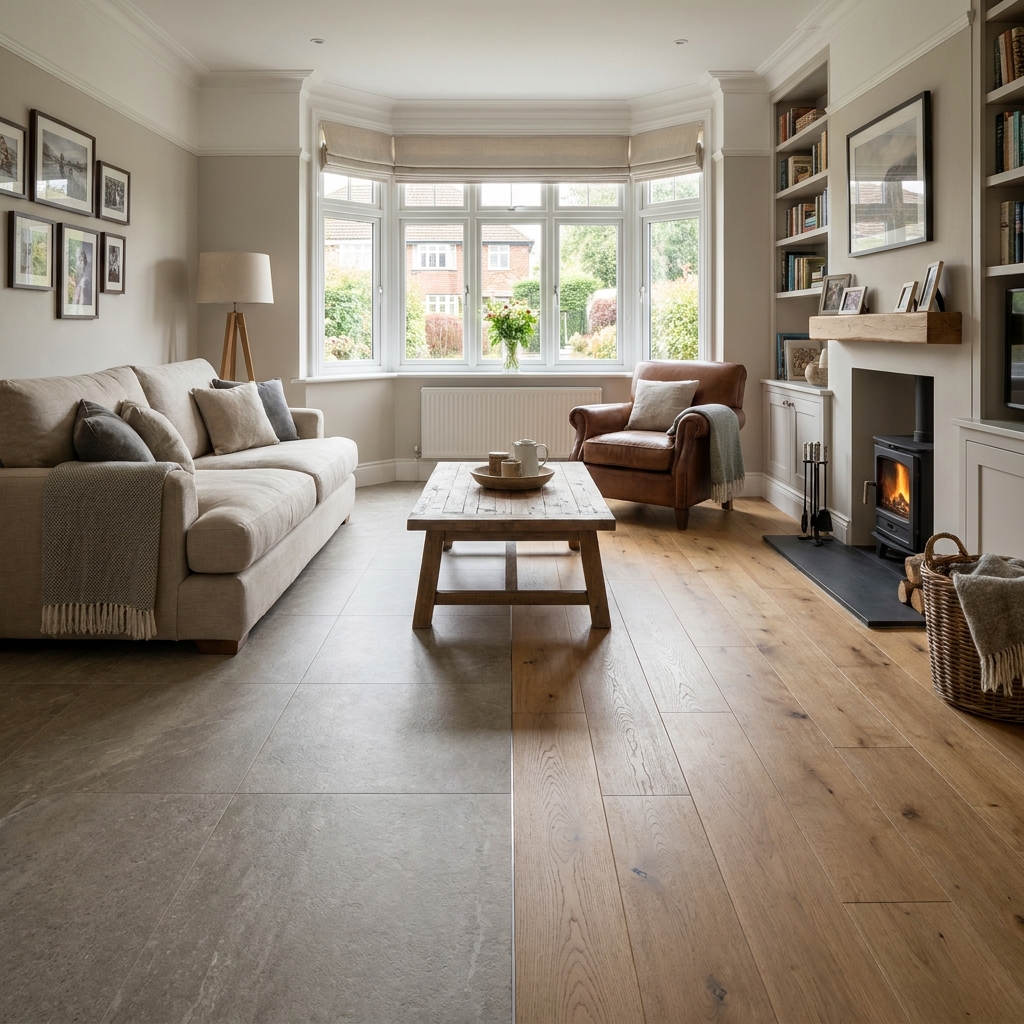
What Exactly Are We Comparing? A Quick Breakdown
Before we dive into the nitty-gritty, it's crucial to understand that LVT and laminate are fundamentally different products, despite their similar appearance. Their construction dictates their performance, durability, and suitability for different rooms in your house.
Luxury Vinyl Tile (LVT)
LVT is a marvel of modern flooring technology. It’s a multi-layered, synthetic product made primarily from PVC (polyvinyl chloride). A typical LVT plank or tile consists of:
- A PVC Core: This provides stability and is 100% waterproof. Some premium versions have a rigid core (known as SPC or WPC) for extra durability and to hide subfloor imperfections.
- A High-Resolution Print Layer: This is where the magic happens. Advanced 3D printing technology creates an incredibly realistic image of wood, stone, or ceramic tile.
- A Transparent Wear Layer: This is the crucial top layer that protects the print from scratches, scuffs, and fading. The thickness of this layer (measured in mils) is a key indicator of the floor’s durability.
- A Backing Layer: This provides a final layer of stability and sound insulation.
The result is a flooring material that is resilient, completely waterproof, and offers a vast array of design possibilities.
Laminate Flooring
Laminate has been a popular choice in UK homes for decades, and for good reason. It’s also a multi-layered product, but its core is completely different from LVT.
- A High-Density Fibreboard (HDF) Core: This is the heart of the plank, made from compressed wood fibres. This core gives laminate its rigid feel but is also its main vulnerability – it can swell and warp if exposed to excessive moisture.
- A Photographic Image Layer: Similar to LVT, this layer provides the wood or stone look.
- A Protective Wear Layer: This top coat is typically made from an aluminium oxide finish, making it exceptionally resistant to scratches and fading from UV light.
- A Balancing Layer: The bottom layer provides stability and some moisture resistance from below.
Laminate's key strengths are its tough surface and its often lower price point compared to LVT.
The Durability Test: Which Floor Can Handle Family Life?
For a family home, durability is everything. You need a floor that can stand up to dropped toys, spilled drinks, muddy shoes, and the claws of a beloved pet. This is where the differences between LVT and laminate become stark.
Water Resistance: The Deciding Factor
This is the most critical distinction. LVT is 100% waterproof. Because its core is made of PVC, a plank of LVT can be fully submerged in water for days without swelling, warping, or degrading. This makes it the ideal choice for kitchens, bathrooms, utility rooms, and entrance halls – anywhere spills and moisture are a daily occurrence.
Laminate, on the other hand, is water-resistant, not waterproof. While the top surface can handle spills if they are wiped up quickly, moisture can seep between the seams and into the HDF core. Once that wood-fibre core gets saturated, it will swell and buckle, and the damage is usually irreversible. While some modern laminates have improved water-resistant coatings and edge sealing, they can never match the complete peace of mind that LVT provides in wet areas.
Scratch & Dent Resistance
Here, the battle is a little closer. Laminate’s aluminium oxide top layer is incredibly hard and generally offers better resistance to surface scratches from things like pet claws or grit being dragged across the floor. If your main concern is scratching, a high-quality laminate (rated AC4 or AC5) is a formidable opponent.
However, while LVT might pick up fine surface scratches more easily than top-tier laminate, it is far more resistant to dents and chipping. Because it has a softer, more resilient composition, dropping a heavy pan or a piece of furniture is less likely to leave a permanent chip or gouge. Laminate’s hard surface can be brittle, and a heavy impact can chip the top layer, revealing the core underneath – a repair that is very difficult to hide.
Comfort, Feel, and Appearance: The Aesthetics Deep Dive
A floor isn't just a practical surface; it sets the tone for the entire room. How it looks and feels underfoot is a huge part of its appeal.
Feel & Warmth
LVT is noticeably softer and warmer underfoot than laminate. Its vinyl composition has more 'give', making it more comfortable to stand on for long periods – a real bonus in the kitchen. It also retains heat better, so it doesn't feel as cold on bare feet on a chilly Warrington morning.
Laminate is harder and denser, which can make it feel colder to the touch. The choice here is subjective, but for comfort in living rooms and bedrooms, many people prefer the softer feel of LVT.
Sound
The classic complaint about laminate flooring is the 'click-clack' sound it can make when walked on, especially with hard-soled shoes. While a high-quality acoustic underlay can mitigate this significantly, LVT is inherently quieter. Its softer material absorbs sound better, resulting in a more peaceful home environment.
Realism & Design Options
Both flooring types have made incredible leaps in realism. High-definition printing can replicate the grain of oak, the veining of marble, or the texture of slate with astonishing accuracy. LVT often has a slight edge here due to a process called 'embossing in register', where the surface texture is precisely matched to the visual pattern of the print layer, creating a hyper-realistic feel. Furthermore, LVT comes in individual planks and tiles, allowing for creative patterns like herringbone or parquet, which are more difficult or expensive to achieve with laminate.
Installation and Maintenance: What's Involved?
Both LVT and laminate are popular choices for their relative ease of installation and low-maintenance lifestyle.
Installation Process
Most LVT and laminate products today use a 'click-lock' system, where planks interlock to create a 'floating floor' that doesn't need to be glued to the subfloor. This makes them a viable DIY project for a confident homeowner. However, subfloor preparation is absolutely critical for a professional-looking and long-lasting result. The subfloor must be clean, dry, and perfectly level.
LVT can be slightly more forgiving of minor subfloor imperfections than rigid laminate. It's also easier to cut – you can often score and snap an LVT plank with a utility knife, whereas laminate requires a saw, creating more dust. Before any flooring is laid, you might need to coordinate with other trades. For instance, moving a floor socket or underfloor heating controls is a job for a qualified professional, and you can browse verified electricians near you to get it done safely before the flooring goes down.
Everyday Maintenance
This is a win for both. A simple routine of sweeping or vacuuming (using a hard floor head) followed by a wipe with a damp mop is all that's needed to keep them looking great. It's important to use a pH-neutral cleaner, as harsh chemicals can damage the wear layer. The key difference, once again, is water. With LVT, you can confidently wet-mop the floor, whereas with laminate, you should use a mop that is only slightly damp and ensure no water is left to pool on the surface.
The Cost Comparison: What's the Budget for a Warrington Home?
Cost is always a major factor in any renovation project. Generally, laminate is the more budget-friendly option upfront, but LVT can offer better long-term value.
- Laminate Flooring: Material costs typically range from £15 to £40 per square metre. Basic options are very affordable, while premium, highly water-resistant laminates with advanced features will be at the upper end of that scale.
- Luxury Vinyl Tile (LVT): Expect to pay between £25 and £60+ per square metre for materials. The price is dictated by the thickness of the wear layer, the core type (flexible vs. rigid), and the complexity of the design.
Remember to factor in the cost of underlay (essential for laminate, often built-in or optional for LVT), trims, and professional installation. While DIY is an option, a professional fitter will ensure the subfloor is correctly prepared and the finish is perfect, which also protects the product's warranty.
The Final Verdict: A Room-by-Room Recommendation
So, LVT or laminate? The best choice really depends on the room and your priorities.
- Kitchens, Bathrooms, and Utility Rooms: LVT is the clear winner. Its 100% waterproof nature makes it the only sensible choice for areas with high moisture and frequent spills. Given the constant presence of water from sinks, dishwashers, and potential leaks, LVT is the undisputed champion. If you're undertaking a full kitchen or bathroom renovation, it's the perfect time to ensure your pipework is in top condition, so why not find a trusted plumber in Warrington to check things over before the new floor is sealed in?
- Living Rooms, Hallways, and High-Traffic Areas: A tough call, but LVT often has the edge. While high-quality laminate offers superior scratch resistance, hallways are also where wet shoes and umbrellas come in. LVT’s combination of water resistance, dent proofing, and quieter acoustics makes it a fantastic all-rounder for the busiest parts of your home.
- Bedrooms and Playrooms: Either is a great option. In these lower-traffic, dry areas, the decision comes down to personal preference. If budget is the primary concern, laminate is an excellent choice. If you prefer a warmer, softer, and quieter feel underfoot, LVT is worth the extra investment.
Ultimately, both LVT and laminate are excellent modern flooring solutions that offer incredible value and style. For most Warrington family homes, the superior water resistance and overall resilience of LVT make it the slightly more versatile and future-proof choice, especially for ground-floor applications. However, for those on a tighter budget or re-flooring dry areas like bedrooms, a quality laminate remains a superb and durable option.
Whichever material you choose, the final installation is what makes or breaks the project. To ensure a perfect finish that lasts for years, we always recommend using a professional. You can find Warrington's best local flooring specialists right here on our directory, all vetted and reviewed by homeowners just like you.
Enjoyed this article?
Need a Verified Tradesperson in Warrington?
Browse verified local professionals across Warrington & Cheshire. Compare reviews, check qualifications, and get free quotes.