The Ultimate Autumn Checklist for Warrington Gardens
As the vibrant greens of summer give way to the glorious golds, reds, and oranges of autumn, it’s easy to think that gardening season is over. But here in Warrington, the crisp air and mellow sunshine of autumn signal not an end, but a crucial period of preparation. The work you put into your garden now will pay enormous dividends next spring, ensuring a healthier lawn, more vibrant blooms, and more robust plants. This is your ultimate autumn checklist for Warrington gardens, a comprehensive guide to tucking your outdoor space in for the winter and setting it up for spectacular success next year.
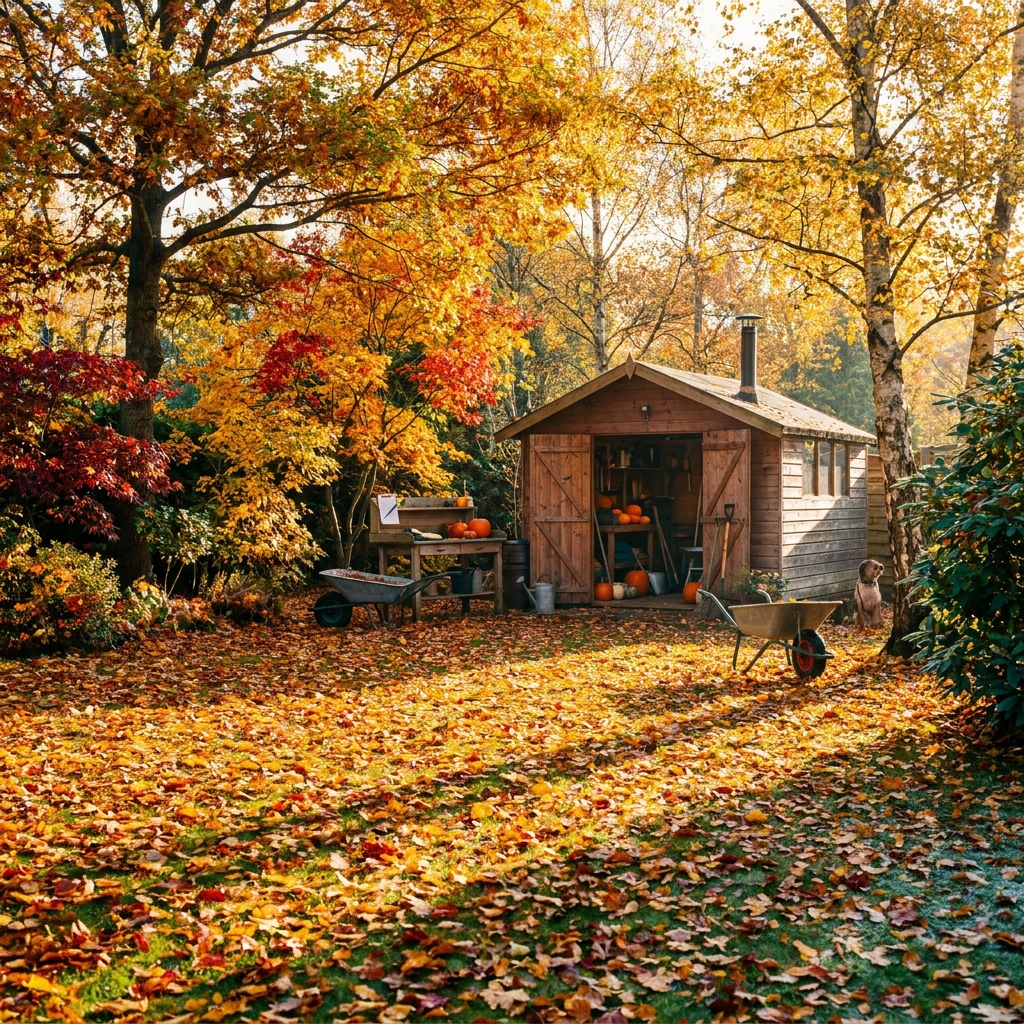
The Great Autumn Tidy-Up: Lawns, Leaves, and Borders
Autumn is synonymous with tidying. A thorough clear-up now prevents pests and diseases from finding a cosy home over winter, and it makes the garden look neat and cared for during the sparser months.
Dealing with Fallen Leaves
While a carpet of fallen leaves is beautiful, leaving it on your lawn can be disastrous. A thick, wet layer of leaves will block sunlight and air from reaching the grass, leading to bare, yellowing patches and encouraging moss and fungal diseases.
- Rake Regularly: Don't wait for all the leaves to fall. Rake them up every week or so to keep on top of the task.
- Create Leaf Mould: Don't just throw them away! Leaves are a fantastic free resource. Pack them (damp) into bin bags, pierce a few holes in the sides, and store them out of sight. In a year or two, you'll have wonderfully rich, crumbly leaf mould – an incredible soil conditioner for your borders.
- Compost Them: You can add leaves to your compost heap, but mix them with 'green' materials like grass clippings or vegetable peelings to help them break down.
- Green Bin: For any excess, Warrington Borough Council's green bin service is perfect for garden waste.
Autumn Lawn Care
Your lawn has worked hard all summer. Autumn is the time to give it some TLC to help it recover and strengthen it against the cold, wet Cheshire winter.
- The Final Mow: Continue mowing as needed, but raise the height of your mower blades for the last couple of cuts of the season. A slightly longer lawn is more resilient to frost.
- Scarify: This means vigorously raking the lawn to remove 'thatch' – the layer of dead grass, roots, and moss that builds up on the soil surface. Thatch prevents water and nutrients from reaching the roots. You can do this with a spring-tined rake for a small lawn, or hire a mechanical scarifier for larger areas.
- Aerate: After scarifying, aerating is key, especially on our heavy clay soils in Warrington. This involves spiking the lawn to relieve compaction and improve drainage. Use a garden fork, pushing it into the ground every 15-20cm, or hire a hollow-tine aerator for the best results.
- Feed and Seed: Apply an autumn-specific lawn feed. Unlike spring feeds, these are low in nitrogen (which encourages leafy growth) and high in potassium and phosphates, which strengthen the roots for winter. If you have bare patches, now is an excellent time to overseed while the soil is still warm.
Clearing Borders and Beds
Tidying up your flower beds is a satisfying job that makes a huge difference.
- Cut Back Perennials: Once herbaceous perennials (like Hostas, Delphiniums, and Peonies) have died back, cut the browning stems down to just above ground level. This looks tidier and removes hiding places for slugs and snails. However, consider leaving some seed heads on plants like Echinacea or Rudbeckia, as they provide food for birds and look beautiful in a frost.
- Remove Annuals: Summer bedding plants are finished. Pull them up and add them to the compost heap.
- Final Weed: Have one last thorough weeding session. Removing perennial weeds like dandelions and bindweed now is much easier than tackling their established root systems in spring.
Planting for Future Colour: Bulbs, Shrubs, and Winter Interest
Autumn isn't just about clearing away; it's the perfect time for planting. The soil is still warm from the summer sun but moist from autumn rains, creating the ideal conditions for roots to establish before winter.
The Promise of Spring Bulbs
Planting bulbs is an act of faith and one of the most rewarding autumn jobs. For a few hours of work, you are guaranteed a spectacular display of colour to banish the late winter blues.
- What to Plant: Daffodils, tulips, crocuses, alliums, hyacinths, and snowdrops should all be planted in autumn.
- How to Plant: The general rule is to plant bulbs at a depth of two to three times their own height. Plant them with the pointed end facing up. For a natural look in borders or lawns, gently throw handfuls of bulbs and plant them where they land.
- Container Planting: Create a 'bulb lasagne' in a large pot. Plant the largest, latest-flowering bulbs (like tulips) at the bottom, cover with compost, then add a layer of smaller, earlier-flowering bulbs (like daffodils), and finally a top layer of the smallest bulbs (like crocuses). This provides a continuous display of colour from one pot.
Planting Hardy Trees and Shrubs
Garden centres are full of healthy trees, shrubs, and roses in autumn. Planting them now gives them a significant head start over those planted in spring. The root system will have months to grow and establish, meaning the plant will be much more resilient to any dry spells next summer.
Protecting Your Garden from the Winter Chill
While many plants are perfectly hardy, some need a little extra protection to survive the frosts and persistent damp of a Warrington winter.
Sheltering Tender Plants
Plants like dahlias, cannas, and tender salvias won't survive a hard frost.
- Lift and Store: After the first frost has blackened their foliage, carefully dig up dahlia tubers and canna rhizomes. Clean off the soil, let them dry for a few days, and store them in trays of dry compost or sand in a frost-free place like a garage or shed.
- Mulch and Protect: For borderline hardy plants like Agapanthus or some Fuchsias, a thick, deep mulch of bark chips, straw, or compost around the base of the plant can be enough to protect the crown from freezing.
- Fleece It: For larger tender shrubs like tree ferns, wrapping them in layers of horticultural fleece or hessian can provide the insulation they need.
Winter-Proofing Structures and Utilities
Your garden's infrastructure also needs attention before the temperatures plummet.
- Ponds: Drape a net over your pond to stop fallen leaves from sinking to the bottom, where they'll rot and release gases harmful to fish. If you have a pump, now is the time to have it cleaned and serviced.
- Garden Furniture: Clean and dry your wooden, metal, or rattan furniture before storing it in a shed or garage, or use a heavy-duty waterproof cover.
- Outdoor Taps: This is a critical job. A frozen outdoor tap can lead to a burst pipe, causing serious water damage. Turn off the internal stopcock that supplies the tap, then open the tap to drain any remaining water. Insulating tap covers are also a cheap and effective extra layer of protection. If you're unsure how to properly isolate your outdoor tap, it's a small but vital job, and you can find a trusted plumber in Warrington to ensure it's done correctly.
- Clean Your Greenhouse: Wash the glass inside and out to maximise winter light levels. Disinfect surfaces to kill any overwintering pests and diseases.
Boost Your Soil Health and Get Composting
Healthy soil is the absolute foundation of a thriving garden. Autumn is the perfect time to give it a boost.
Enriching Your Beds
Once your borders are cleared, it's time to feed the soil. Spread a thick layer (5-10cm) of organic matter over the surface. This could be well-rotted manure, garden compost, or leaf mould. Don't worry about digging it in; the worms will do that for you over winter, incorporating it into the soil, improving its structure, and replenishing nutrients. By spring, your soil will be in perfect condition for planting.
Managing Your Compost Bin
Autumn provides a bounty of materials for your compost heap. A good compost mix requires a balance of 'greens' (nitrogen-rich materials like grass clippings and kitchen scraps) and 'browns' (carbon-rich materials like fallen leaves, cardboard, and woody stems). Autumn is heavy on the browns, so try to layer them with any remaining grass clippings or other green waste to keep the decomposition process active. Give the heap a good turn with a garden fork to aerate it before winter sets in.
Essential Tool Maintenance and Shed Organisation
Looking after your tools will make them last longer and work more effectively next year. A tidy shed also makes finding what you need in spring a much more pleasant experience.
Clean, Sharpen, and Oil
Don't just throw your tools in the shed covered in mud. Soil can hold moisture, which causes rust and can harbour diseases.
- Clean: Use a stiff brush and water to scrub clean spades, forks, hoes, and trowels. Dry them thoroughly.
- Sharpen: Use a file or sharpening stone to put a clean edge on your secateurs, shears, and lawnmower blades. Sharp tools make for cleaner cuts and healthier plants.
- Oil: Wipe the metal parts of your tools with an oily rag (using a product like WD-40 or linseed oil) to protect them from rust. Also, treat wooden handles with linseed oil to stop them from drying out and splitting.
Service Your Machinery
Your lawnmower and strimmer have worked hard. Drain the fuel from petrol-powered machines, as modern petrol can go stale and damage the engine. Clean the undersides and check the blades. If you're not confident doing this yourself, autumn is a great time to book them in for a professional service, beating the spring rush.
By following this checklist, you can rest easy knowing your garden is prepared for whatever the winter throws at it. A bit of effort now ensures that when the first signs of spring appear, your garden will burst back into life, healthier and more beautiful than ever. For Warrington homeowners, autumn is not a time for winding down, but for investing in the future of your cherished outdoor space. And if the task list seems too daunting, remember that help is at hand. Whether you need a one-off autumn clear-up or regular maintenance, our directory can help you find a reliable local gardener in Warrington to get your garden ready for the seasons ahead.
Enjoyed this article?
Need a Verified Tradesperson in Warrington?
Browse verified local professionals across Warrington & Cheshire. Compare reviews, check qualifications, and get free quotes.