The Ultimate Guide to Waste Clearance After a Warrington Renovation
There’s an incredible sense of achievement that comes with completing a home renovation. The dust is settling, the new kitchen is gleaming, or the loft conversion is finally ready. But amidst the satisfaction lies a common, often underestimated, challenge: the mountain of leftover waste. Managing waste clearance after a Warrington renovation can feel like the final, exhausting hurdle. From old plasterboard and broken tiles to discarded packaging and timber offcuts, the sheer volume can be overwhelming. This guide is here to walk you through your options, ensuring your project's aftermath is handled safely, legally, and efficiently.
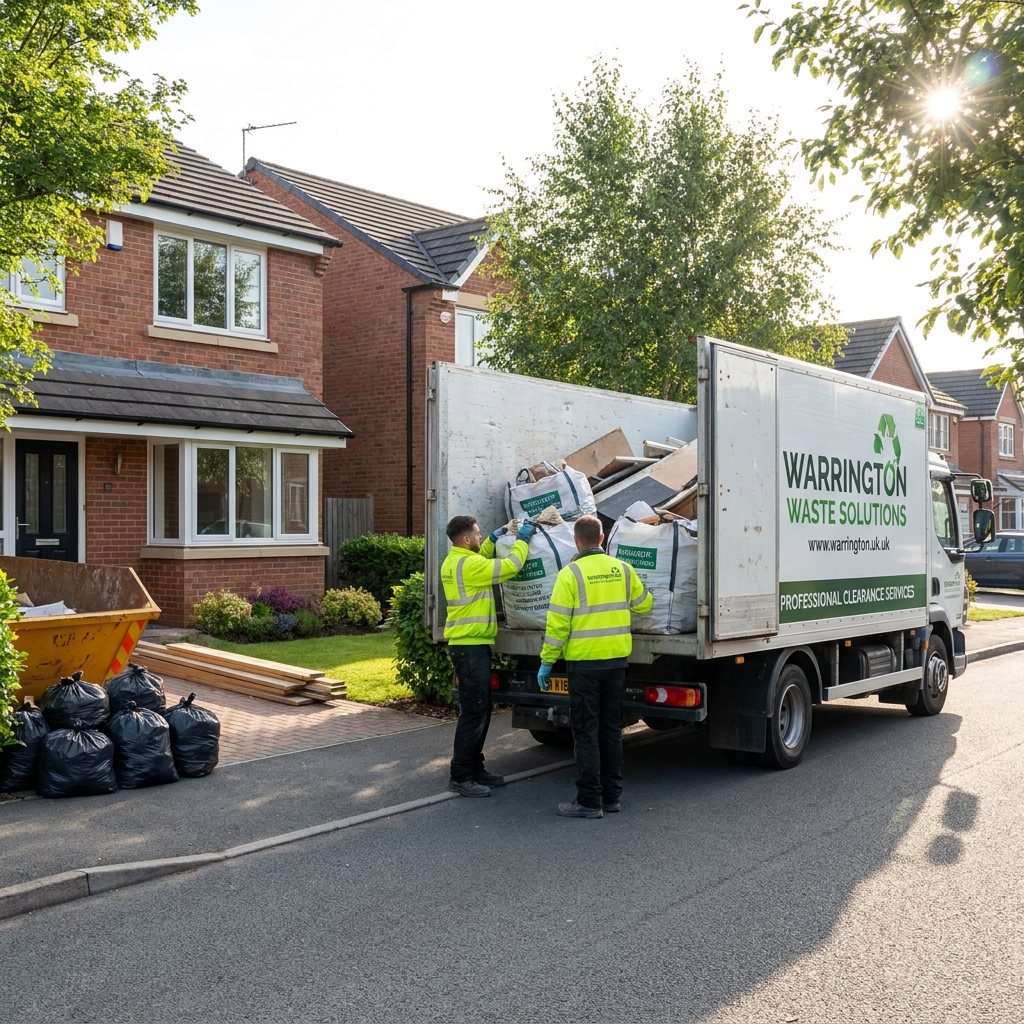
What Actually Counts as Renovation Waste?
Before you can decide how to get rid of it, it’s helpful to understand what you’re dealing with. Renovation waste, often called construction and demolition (C&D) waste, is a mixed bag. Unlike your regular household wheelie bin rubbish, it’s typically heavy, bulky, and can sometimes contain hazardous materials. A typical Warrington home project can generate several types of waste:
- Inert Waste: This is waste that doesn't decompose or react chemically. It includes things like soil, rubble, bricks, concrete, and tiles. It’s heavy but relatively straightforward to dispose of.
- Non-Inert Waste: This category covers a broader range of materials. Think timber, plasterboard, insulation, old kitchen units, bathroom suites, doors, and window frames.
- Scrap Metal: Old copper pipes, radiators, wiring, and steel lintels all fall into this category. These can often be recycled, and some scrap merchants may even pay you for them if you have a significant quantity.
- Green Waste: If your renovation involved landscaping or garden work, you'll have soil, turf, branches, and old paving slabs to deal with.
- Hazardous Waste: This is the category that requires the most care. It includes items like leftover paint tins, solvents, chemical containers, asbestos (which requires specialist removal), and old fluorescent light tubes. These cannot be put in a general skip or taken to the local tip without following specific procedures.
Correctly identifying your waste is the first step. For instance, plasterboard must be segregated from other waste types at licensed disposal facilities, so mixing it in a skip can sometimes lead to extra charges.
Your Main Waste Clearance Options in Warrington
For homeowners here in Warrington, there are three primary routes to clearing your renovation debris. Each has its own set of pros, cons, and costs.
1. DIY Disposal at a Household Waste Recycling Centre (HWRC)
The most hands-on approach is to load up your car and take the waste to one of Warrington Borough Council's HWRCs, such as the main one on Woolston Grange Avenue.
- Pros: It’s the cheapest option, as there’s no charge for Warrington residents disposing of their own household waste. You can go at your own pace over several trips.
- Cons: It’s labour-intensive and time-consuming. You’ll need a suitable vehicle, and your car can get very messy. There are strict limits on the types and quantities of waste accepted, particularly for DIY/construction waste. If you need to use a van or a trailer, you will need to apply for a free permit from the council beforehand, and there are limits on the number of visits you can make.
- Best for: Small-scale projects with a minimal amount of light waste, like redecorating a single room.
2. Hiring a Skip
Hiring a skip is the classic solution for large-scale renovation waste. A big metal box is delivered to your property, you fill it up, and the company takes it away.
- Pros: Excellent for large volumes of heavy waste like rubble and soil. You can keep it for a set period (usually 1-2 weeks) and fill it as you go, which is ideal during a multi-day project.
- Cons: You need space on your property (like a driveway) to place it. If it has to go on a public road, you’ll need a permit from Warrington Borough Council, which adds to the cost and requires advance notice. You pay for the whole skip, regardless of whether you fill it completely. You also have to do all the heavy lifting yourself.
- Best for: Major renovations like extensions, full kitchen/bathroom rip-outs, or significant garden landscaping where you have a large amount of dense, heavy waste and a place to put the skip.
3. Using a 'Man and Van' Waste Clearance Service
A popular and flexible modern alternative to skip hire. A professional team arrives, loads all the waste for you, and takes it away immediately.
- Pros: Extremely convenient as all the labour is included – no back-breaking work for you! You only pay for the exact volume of waste they take, making it cost-effective for awkward amounts that aren’t quite enough to fill a skip. It’s a very fast solution, with the rubbish often gone within an hour. No permits are needed as the vehicle doesn't stay parked.
- Cons: Can be less cost-effective than a skip for extremely large volumes of very heavy, dense materials like pure brick rubble. You need to have all the waste ready for collection at the agreed time.
- Best for: Most medium-sized projects, clearing out rooms, garden waste, and situations where you don’t have space for a skip or want the job done quickly with zero effort.
The Legal Bit: Your Duty of Care and Avoiding Fly-Tipping Fines
This is arguably the most important section of this guide. As a homeowner, you have a legal 'Duty of Care' to ensure your waste is disposed of correctly. This responsibility doesn't end when you pay someone to take your rubbish away. If you hire an unlicensed individual who then illegally dumps your waste (fly-tipping), you can be the one facing a hefty fine and even a criminal record. Warrington Borough Council takes fly-tipping very seriously.
To protect yourself, you must do the following:
- Ask for their Waste Carrier's Licence: Any legitimate company or individual who transports and disposes of waste for payment must be registered with the Environment Agency and have a licence. Ask to see it or ask for their registration number.
- Check the Licence Online: You can verify a licence number for free on the Environment Agency's public register. It only takes a minute and provides complete peace of mind.
- Get a Waste Transfer Note: A professional service should provide you with a Waste Transfer Note. This is a document that details what waste was taken, who took it, and where it’s going. It's your proof of legal disposal.
- Be Wary of Cold Callers and 'Too Good to Be True' Prices: If someone knocks on your door offering to take your rubbish for a very cheap cash price, it's a major red flag. The cost of legal disposal is significant, so unrealistically low prices often mean they intend to dump it illegally.
This is why it's so important to use a reputable, vetted professional. When you're ready to clear the clutter, you can find a trusted waste clearance service in Warrington through our directory, where we check for essential credentials like these.
Cost Comparison: Skip Hire vs. Man and Van in Warrington
Costs can vary, but here’s a rough guide for 2024 pricing in the Warrington area to help you budget. Remember to always get a firm quote first.
Typical Skip Hire Costs (excl. road permit)
- Midi Skip (4 yards): £150 - £200. Good for a small kitchen or bathroom rip-out.
- Builder's Skip (8 yards): £250 - £320. The most common size, ideal for larger projects and mixed heavy waste.
- Road Permit (if required): Approx. £30 - £50 extra.
Typical 'Man and Van' Waste Clearance Costs
These services charge by the cubic yard of waste collected. This makes them very flexible.
- Minimum Charge (e.g., a few items): £50 - £80
- Quarter Load (approx. 3-4 yards): £120 - £180
- Half Load (approx. 7-8 yards): £220 - £280
- Full Load (approx. 14-16 yards): £350 - £450+
When getting quotes, it's crucial to be clear about the types of waste you have. Some items like mattresses, fridge/freezers, and tyres incur supplementary charges due to regulations around their disposal. Always clarify with your chosen Warrington builder whether waste removal is included in their quote, as this can be a significant cost that needs to be factored in from the start.
Tips for Preparing Your Renovation Waste
A little preparation can make the clearance process smoother, safer, and sometimes even cheaper.
- Segregate Materials: If you can, keep different waste types in separate piles. A pile for timber, one for rubble, and another for metal can make loading much quicker. This is essential for plasterboard.
- Break Down Bulky Items: Smash up old furniture or cut up large pieces of wood. The less empty space you have, the more you can fit into a skip or a van load, giving you better value for money.
- Ensure Safe Access: Clear a path from the waste to where the skip is or where the collection vehicle will park. Remove any trip hazards.
- Handle Hazardous Items Separately: Keep items like paint tins aside. Leftover, usable liquid paint from your painter and decorator can often be donated to community repaint schemes. If the paint is unusable, let it dry out completely before disposal. Check with the council or your chosen waste firm for advice on other chemicals.
- Bag Up Loose Debris: Use heavy-duty rubble sacks for smaller, loose items like broken tiles, dust, and rubble. This prevents mess and makes loading much faster.
Clearing up after a renovation is the final step in reclaiming your home. By understanding your waste, choosing the right disposal method for your needs and budget, and—most importantly—fulfilling your legal Duty of Care, you can ensure a smooth, stress-free end to your project. With the rubbish gone, you’ll finally be free to sit back and enjoy the fantastic new space you’ve created.
Enjoyed this article?
Need a Verified Tradesperson in Warrington?
Browse verified local professionals across Warrington & Cheshire. Compare reviews, check qualifications, and get free quotes.